
Top 5 Places in India for Touring: A Journey Through Goa, Jaipur, Agra, Ladakh, and Assam
India isn’t just a country—it’s a living, breathing mosaic of color, chaos, and charm. From the golden dunes of Rajasthan to the tropical beaches of Goa, every corner of India tells a story that stretches back thousands of years. For travelers seeking adventure, beauty, and culture, the sheer number of choices can be overwhelming. But some destinations shine brighter than others—places that truly capture the heart of India.
Let’s set off on a journey through five of India’s most remarkable destinations—Goa, Jaipur, Agra, Ladakh, and Assam—and discover what makes each of them an absolutely unforgettable experience.
1. Goa – Where the Sun Meets the Soul
Goa is much more than just a beach destination—it’s truly a state of mind. Nestled along India’s western coast, this is where golden sands, turquoise waters, and old Portuguese architecture meet, creating a laid-back rhythm that’s almost impossible to resist.

If you’re after ocean breezes and stunning sunsets, Calangute and Baga beaches are perfect. They buzz with people enjoying water sports, music, and lively shacks serving spicy Goan curry and cold coconut water.
However, if what you’re truly seeking is some peace, head south to beaches like Palolem and Agonda. They offer calm, incredibly scenic stretches of sand where you feel like time itself has happily decided to slow down.
Goa’s charm doesn’t stop at the coastline. The Old Latin Quarter of Fontainhas in Panaji, with its colorful houses and narrow, winding lanes, completely transports you to a bygone colonial era. Add in the magnificent Basilica of Bom Jesus, a UNESCO World Heritage Site holding the remains of St. Francis Xavier, and you have a place where culture, spirituality, and celebration blend effortlessly.
2. Jaipur – The Pink City of Royal Grandeur
The capital of Rajasthan, Jaipur, is a vibrant kaleidoscope of culture, history, and pure royal splendor. Nicknamed the Pink City, it earned that title from the rose-colored sandstone buildings that glow warmly under the desert sun.
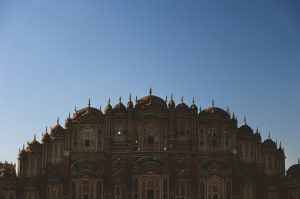
Jaipur’s skyline is dominated by the Amber Fort, which is perched majestically on a hill overlooking Maota Lake. Walking through its massive gates and courtyards truly feels like stepping back into the age of kings and queens. The City Palace—still home to the royal family—and the incredible astronomical wonder Jantar Mantar both reveal the city’s rich artistic and scientific heritage.
But Jaipur is more than just monuments; it’s a sensory feast. The bustling bazaars of Johari and Bapu overflow with handcrafted jewelry, beautiful block-printed textiles, and traditional jootis (embroidered shoes). And when you get hungry, few things compare to a plate of Dal Baati Churma or a cooling glass of sweet lassi served in an earthen cup.
Every street, every corner in Jaipur is a painting come to life—a place where history isn’t just remembered, it’s lived.
3. Agra – The City of Eternal Love
No list of India’s must-visit destinations is complete without Agra, home to one of the world’s most iconic monuments—the Taj Mahal.
This ivory-white marble masterpiece, built by Emperor Shah Jahan for his wife Mumtaz Mahal, is more than just a structure. It’s a poem written in stone—a timeless symbol of love, perfect symmetry, and devotion.
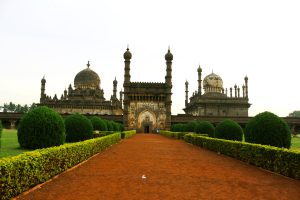
While the Taj Mahal rightly steals all the attention, Agra has much more to show you. The Agra Fort, with its imposing red sandstone walls and intricate Mughal architecture, stands as a powerful reminder of India’s imperial past. A short drive away is Fatehpur Sikri, an abandoned city once built by Emperor Akbar—a stunning blend of Persian, Islamic, and Indian design that still whispers of its former glory.
Beyond the history, Agra invites you to taste the famous Agra petha, a soft, sweet candy made from ash gourd. It’s simple, yet delightful—much like the city itself.
4. Ladakh – The Land of High Passes
If you’ve ever dreamed of a place that feels like another planet, Ladakh is the answer. Located high up in the northernmost reaches of India, this Himalayan wonderland sits between heaven and earth—a rugged land of snow-capped peaks, turquoise lakes, and ancient monasteries that literally cling to cliff sides.
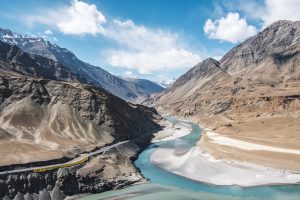
Adventure seekers flock to Leh, the region’s capital, to explore high-altitude passes like Khardung La and crystal-clear lakes such as Pangong Tso and Tso Moriri. The reflections of the mountains in their still waters look like something pulled straight out of a dream.
But Ladakh isn’t just for adrenaline junkies. It’s a spiritual haven. The Hemis and Thiksey Monasteries resonate with the deep hum of prayer wheels and ancient Buddhist chants, offering total serenity in a world that moves too fast.
The climate here is harsh—winters are bone-freezing and summers are short—but the warmth of the local people, the Ladakhis, is absolutely unmatched. Their simple, sustainable way of life is a living lesson in humility, resilience, and harmony with nature.
5. Assam – The Green Heart of the East
Tucked away in India’s northeast, Assam is a gorgeous land of rolling hills, endless tea gardens, and wildlife sanctuaries bursting with life. This is where the mighty Brahmaputra River flows wide and wild, shaping the land and nourishing its people.
The state’s crown jewel is Kaziranga National Park, a UNESCO World Heritage Site famous for being home to the world’s largest population of one-horned rhinoceroses. Watching these magnificent creatures graze in the misty grasslands is an absolutely unforgettable sight.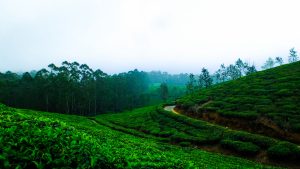
But Assam’s appeal goes far beyond the wildlife. The region is world-renowned for its Assam tea, a bold, malty brew that fuels mornings across the entire globe. Visitors can walk through the lush tea estates, meet local tea pickers, and even learn how those tiny leaves are magically transformed into the perfect cup.
Add to that the vibrant festivals like Bihu, celebrated with traditional dance and music, and you’ll find a culture that feels both ancient and full of life.
The Beauty of Diversity
Each of these places—Goa, Jaipur, Agra, Ladakh, and Assam—represents a completely different face of India. They create a contrast of tropical beaches and ancient deserts, grand palaces and remote monasteries, lush jungles and frozen mountains. Yet, a common thread runs through it all: warm hospitality, deep tradition, and an unshakable zest for life.
Traveling through India isn’t just about seeing new places. It’s about feeling them—tasting the food, hearing the hundreds of languages, witnessing rituals, and connecting with people whose stories are as old as civilization itself.
The best part? No matter how much you see, there’s always more waiting. Because India doesn’t just welcome you once—it keeps calling you back.
You actually make it appear so easy together with your presentation but
I to find this topic to be actually something which I feel I would never understand.
It kind of feels too complicated and extremely broad for
me. I am taking a look forward on your subsequent publish, I will try to get the dangle of it!